Comprehensive Builders Waste Clearance in Elephant and Castle

When undertaking any construction or renovation project in Elephant and Castle, managing builders waste is a crucial aspect that cannot be overlooked. Efficient waste clearance not only ensures a cleaner workspace but also complies with local regulations, promoting sustainability in the community.
Builders waste can vary widely, including materials such as concrete, bricks, timber, metals, and insulation. Properly handling this waste minimizes environmental impact and promotes a safe and organized construction site.
In this guide, we will explore the essential aspects of builders waste clearance in Elephant and Castle, providing you with actionable insights to streamline your project and maintain compliance.
Understanding Builders Waste

Builders waste, also known as construction waste, encompasses a wide range of materials generated during building, renovation, or demolition activities. This includes:
- Concrete and rubble
- Wood and timber
- Metals such as steel and aluminum
- Brick and masonry debris
- Insulation materials
- Plastics and packaging materials
Proper identification and classification of these materials are the first steps toward effective waste management. By understanding the types of waste produced, you can implement targeted disposal and recycling strategies.
Moreover, separating hazardous materials from non-hazardous ones ensures safe handling and compliance with environmental standards.
Importance of Proper Waste Clearance

Effective builders waste clearance offers numerous benefits, including:
- Environmental Protection: Proper disposal reduces the risk of pollution and promotes recycling.
- Compliance: Adhering to local waste management regulations avoids legal penalties.
- Safety: A clutter-free site reduces accidents and enhances worker safety.
- Cost Efficiency: Efficient waste management can lower disposal costs and increase project profitability.
In Elephant and Castle, where urban development is prominent, these benefits are particularly significant. Implementing sustainable waste clearance practices contributes to the area's overall health and aesthetic appeal.
Additionally, responsible waste management reflects positively on your business, showcasing a commitment to sustainability and community well-being.
Waste Clearance Services in Elephant and Castle
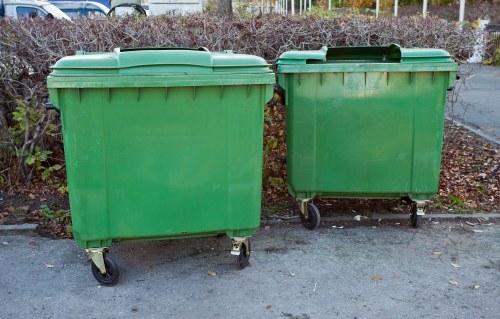
Numerous companies offer builders waste clearance services in Elephant and Castle, each providing a range of solutions tailored to different project needs. These services typically include:
- Waste collection and transportation
- Recycling and disposal
- Site clean-up and maintenance
- Hazardous waste management
Choosing the right service provider involves assessing their experience, reliability, and compliance with local regulations. Look for companies that prioritize eco-friendly practices and offer flexible scheduling to accommodate your project's timeline.
Engaging a professional waste clearance service ensures that all waste is handled responsibly, allowing you to focus on other critical aspects of your construction project.
Steps for Effective Builders Waste Clearance
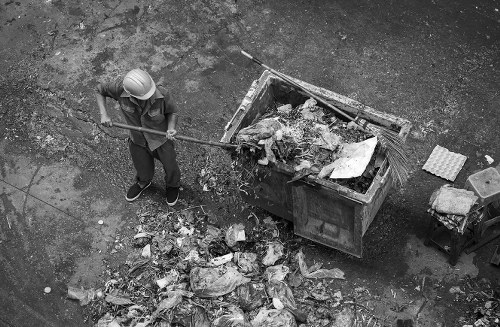
Implementing an effective waste clearance plan involves several key steps:
- Assessment: Evaluate the types and quantities of waste your project will generate.
- Segregation: Separate different types of waste for appropriate recycling and disposal.
- Collection: Arrange regular waste collection to prevent build-up on site.
- Transportation: Ensure waste is transported safely to designated facilities.
- Disposal and Recycling: Dispose of non-recyclable waste responsibly and recycle materials whenever possible.
By following these steps, you can maintain a clean and efficient work environment, minimizing disruptions and enhancing productivity.
Furthermore, regular monitoring and documentation of waste management practices help in maintaining compliance and identifying areas for improvement.
Legal Requirements and Regulations

In Elephant and Castle, builders waste clearance is governed by specific local and national regulations aimed at promoting environmental sustainability and public safety. Key regulations include:
- The Environmental Protection Act
- The Waste Framework Directive
- Local council waste disposal guidelines
- Health and safety regulations related to waste management
Compliance with these regulations is mandatory and failing to adhere can result in fines, legal action, and project delays. It is essential to stay informed about the latest laws and guidelines to ensure your waste clearance practices are fully compliant.
Collaborating with a professional waste clearance service can help navigate these regulations, as they are typically well-versed in legal requirements and best practices.
Eco-Friendly Waste Management Practices

Adopting eco-friendly waste management practices not only benefits the environment but also enhances your project's reputation. Some sustainable practices include:
- Recycling materials like metal, wood, and concrete
- Reducing waste generation through careful planning
- Using reusable containers and packaging
- Composting organic waste
- Implementing energy-efficient waste processing methods
Incorporating these practices into your waste clearance strategy demonstrates a commitment to sustainability, which can be a strong selling point for clients and stakeholders.
Additionally, sustainable waste management can lead to cost savings through reduced disposal fees and potential revenue from recycled materials.
Choosing the Right Waste Clearance Partner

Selecting a reliable waste clearance partner is vital for the success of your construction project. Consider the following factors when making your choice:
- Experience and expertise in builders waste clearance
- Availability and flexibility to meet your project schedule
- Commitment to recycling and sustainability
- Transparent pricing and comprehensive service offerings
- Positive reviews and industry reputation
Engage in thorough research and obtain quotes from multiple providers to ensure you select a partner that aligns with your project's specific needs and values.
Building a strong relationship with your waste clearance partner fosters effective communication and ensures that waste management processes run smoothly throughout the project lifecycle.
Cost-Effective Waste Clearance Solutions

Managing builders waste clearance costs without compromising on quality is achievable through strategic planning and efficient practices. Here are some tips:
- Plan waste management early in the project
- Implement waste reduction techniques
- Opt for recycling to lower disposal fees
- Consolidate waste streams to minimize transportation costs
- Negotiate contracts with waste clearance providers for better rates
By adopting these strategies, you can keep your project within budget while maintaining high standards of waste management.
Moreover, investing in quality waste clearance services can prevent costly delays and legal issues in the long run.
Technological Innovations in Waste Clearance
![A large, industrial green skip made of heavy-duty metal with horizontal reinforcement bars on its sides, positioned in a parking lot near a grassy park area. The skip is filled with mixed waste materials, including crumpled paper, plastic bags, and miscellaneous debris, with some items visible over the rim. The surface of the skip has a textured finish, and the front features a hinged door with a latch for unloading. Surrounding the skip are marked parking spaces, and in the background, there are several trees and a body of water, indicating a location near a park or outdoor recreational area. This scene is associated with rubbish removal services, such as those provided by Elephant and Castle House Clearance, serving areas including [POSTCODE] and nearby towns in South London.](/pub/_photos/rubbish/f1892862672.jpg)
Advancements in technology have significantly improved builders waste clearance processes. Innovations include:
- Automated waste sorting systems
- Real-time waste tracking and management software
- Energy-efficient waste processing machinery
- Advanced recycling techniques
- Use of drones for site surveys and waste monitoring
Integrating these technologies into your waste management strategy enhances efficiency, reduces human error, and supports sustainable practices.
Staying updated with the latest technological trends ensures that your waste clearance operations remain competitive and environmentally responsible.
Case Studies: Successful Waste Clearance Projects
[IMG_11]Examining successful waste clearance projects in Elephant and Castle provides valuable insights into best practices and effective strategies. For instance:
- A local construction firm implemented a comprehensive segregation system, achieving a 60% recycling rate.
- Another project utilized real-time waste tracking software, reducing disposal costs by 25%.
- A renovation project partnered with an eco-friendly waste clearance service, enhancing their sustainability credentials and attracting environmentally conscious clients.
These case studies demonstrate the tangible benefits of proactive and strategic waste management, serving as inspiration for your own projects.
Learning from these examples can help you identify effective methods to optimize your waste clearance processes.
Future Trends in Builders Waste Clearance
[IMG_12]The future of builders waste clearance in Elephant and Castle is poised for significant advancements, driven by sustainability and technological innovation. Anticipated trends include:
- Increased adoption of circular economy principles
- Enhanced recycling technologies and processes
- Integration of IoT for smarter waste management
- Greater emphasis on reducing carbon footprints
- Policy shifts towards stricter environmental regulations
Staying ahead of these trends ensures that your waste management practices remain effective and compliant with evolving standards.
Embracing these changes can also provide a competitive edge, positioning your projects as leaders in sustainable construction.
Conclusion
[IMG_13]Builders waste clearance is a critical component of any construction or renovation project in Elephant and Castle. By understanding the types of waste, adhering to legal requirements, and implementing effective and eco-friendly management practices, you can ensure a smooth and successful project.
Partnering with experienced waste clearance services and staying informed about industry trends further enhances your ability to manage waste efficiently and sustainably.
Don't compromise on your project's cleanliness, safety, and environmental responsibility. Contact us today to learn how we can assist you with top-notch builders waste clearance solutions tailored to your specific needs.